Category: Uncategorized

  • Rules Every Production Must Follow When Filming in Nepal

    Rules Every Production Must Follow When Filming in Nepal

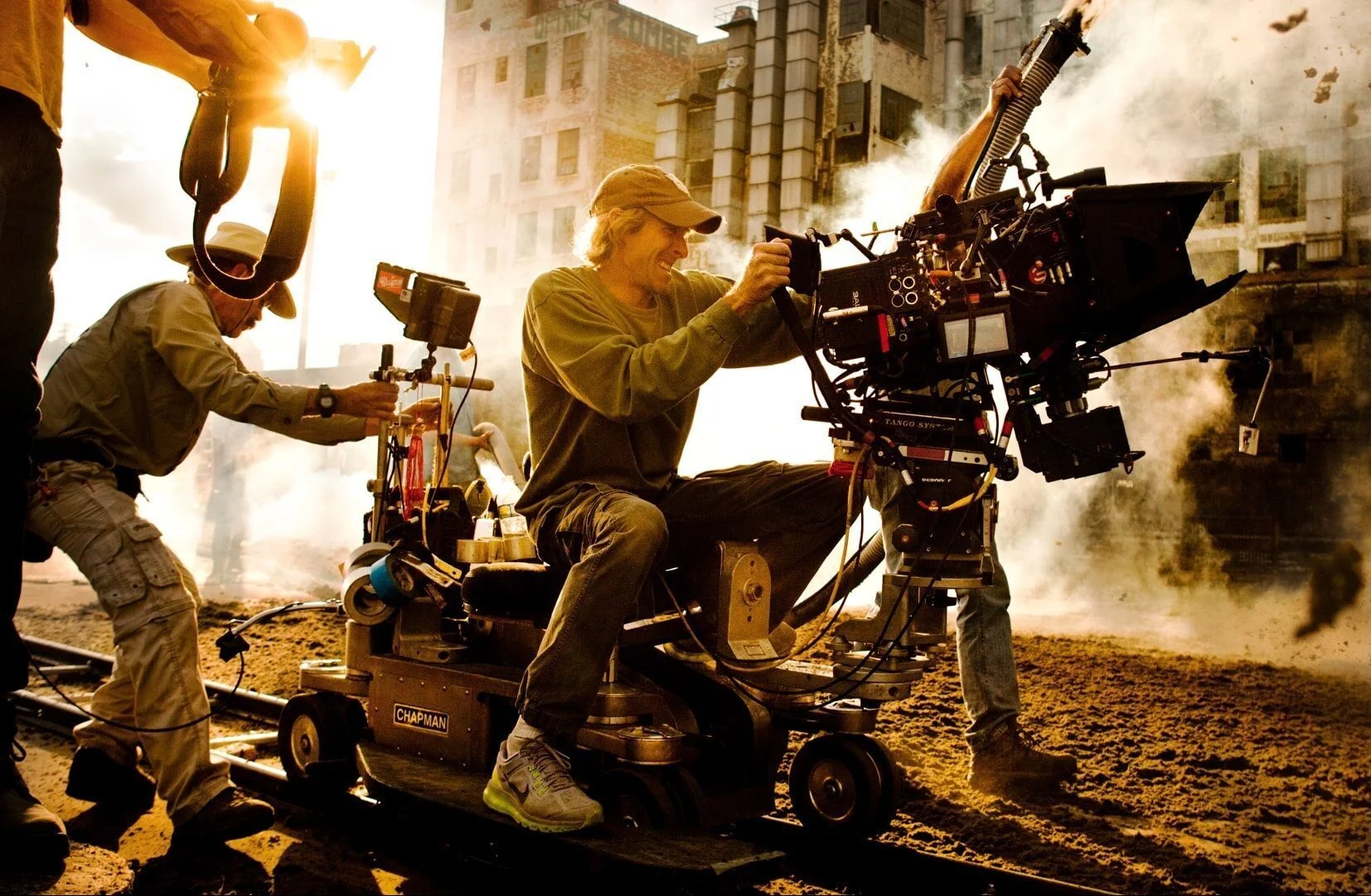
    There are various rules & regulations imposed by the state which regulate all filming activities in Nepal. Professional filmmakers should always abide by these regulations for a smooth working experience. For a detailed preview of the various rules and regulations, productions must consult with their assigned local line producer or fixer. However, some common R&Rs are mentioned below:

    1. A professional film shoot must have a Ministry of Information & Communication (MOIC) issued filming permit and MOIC assigned liaison officer with them during the shoot.
    2. A professional film should always assign a fixing/line production company for any shoot. The assigned company will negotiate with the government, and will also be the responsible party for hosting the shoot in Nepal.
    3. Filming in national parks and conservation areas is strictly prohibited without permission for a professional shoot. Even with permission, the shooting team must take a forest ranger/overseer along with them depending on the place and location.
    4. A film shoot should not hamper public transport or public life in any way. Large-scale productions must request a police escort while in public.
    5. Productions must always acquire a separate permit for using drones and other aerials from the appropriate aviation authorities. Your basic filming permit will not do for drones.
  • Chhath Puja: Nepal’s Festival of the Sun

    Chhath Puja: Nepal’s Festival of the Sun

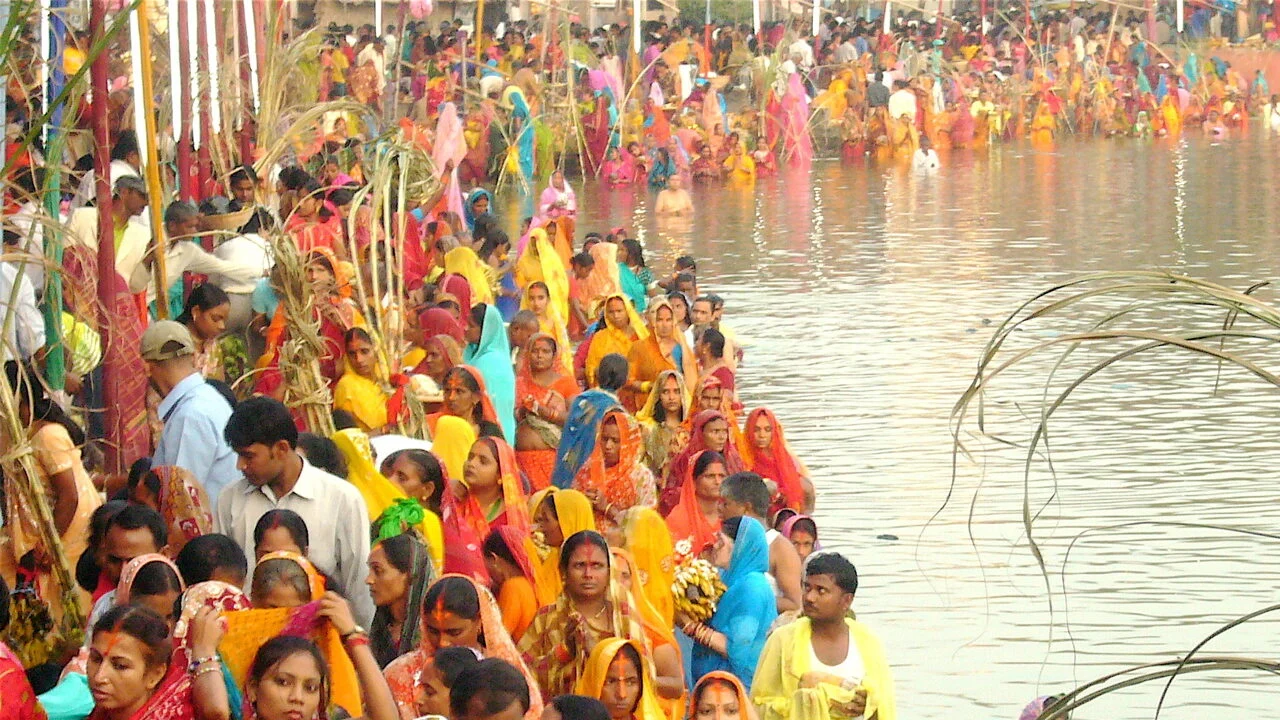
    Chhath Puja in Nepal is done since long ago and it is the ancient festival dedicated to the sun god. It is the only Vedic festival dedicate to the sun god. He is called Surya devata in Sanskrit. People worship Surya Devata and his wife Usha for sustaining life on earth with their grace. People show their affection toward the sun for providing continuous blessing toward all living things. Surya devata is considered the god of energy, and lord of life force. He is worshipped to promote the prosperity and well-being of human life. This festival is about showing gratefulness to the sun for sustaining life on earth. The rituals of this festival are focused on the process of sun sustaining Life rather than worshipping an idol. This festival is mostly celebrated by the women’s but we can see some men keeping fast along with their family member.

    Devotees of the sun god carry out the different ritual in this festival. The devotees go to the nearest holy river and take a dip in the flowing water. They worship the sun and moon and prepare an offering of kheer bananas and rice. After they provide the offering to their family and the fasting begins for 36 hours without water. This makes the body more sensitive and the sunlight is absorbed by the body to its fullest. On the third day, they worship the setting sun and Chhathi Maiyya. After the worship in the morning of the fourth day, women break their fast and have a feast with their family. Delicious food is prepared and eaten on this day.

    Chhath festival, deeply rooted in the belief of the sun’s healing prowess and its ability to ensure wellness and longevity, encompasses rituals beneficial for the human body. This four-day celebration culminates with a stunning spectacle on its final day, but it’s the third day that showcases a breathtaking scene as devotees light incense and oil lamps, releasing them into the river against the backdrop of the setting sun. The festival involves fasting, sacred bathing, prayers, and meditative practices while standing in water. Fasting during Chhath acts as a detoxifying agent, believed to maximize the benefits derived from the sun under specific conditions. Worshippers believe that fasting during this festival and basking in early morning and evening sunlight facilitate the intake of vitamin D, crucial for calcium absorption in the body, promoting natural calcium intake and overall well-being.

    Holy bath in this festival in this festival also has several health benefits. Taking a cold bath in the morning increases the immunity towards disease. The body will feel refreshed and stronger after dipping the whole body in the flowing river. It is believed to maintain balance and blood circulation in the body. Praying and meditating in the water makes the mind calm and more focused. The prayer helps to create bonding among the society members who are also performing the ritual along with many other devotees. The meditating in the early morning remove the negative feelings and thoughts of a person. This festival ensures the physical and mental detoxification, making the person more energetic and healthier.

    There are some holy texts that show the ritual taking place in ancient times. This festival is one of the oldest rituals performed in the Hindu religion. There are some mythologies that state the rituals of Chhath festival taking place. Warrior karma from the Sanskrit epic Mahabharata is believed have gained superhuman strength from observing Surya puja. It is also stated at many old scrips of yogic philosophy the benefits from observing the rituals of Chhath festivals. It states that in ancient times those who were on strict meditation did not consume any food or liquid for days or even weeks. Instead, they took the nutrition from the direct sunlight to sustain their body during the mediation.

    This festival promotes the throwing out all the negative thoughts and toxin from both body and mind. This festival is celebrated while being frugal so it does not have an economic burden to the family. People donate and share the food with family, relatives and needy. There is no jealousy, hatred, fear, and anger present in this festival. This festival is really unique because of the benefits from every aspect to the person following this festival.

  • Filming Permits in Nepal

    Filming Permits in Nepal

    Anyone interested in soot film in nepal they are required to take filming permits in Nepal from the concerned authorized body. Professional film productions in Nepal require various licenses, which are, to some extent, based on the shooting locations. A production company or team should know about various types of governmental and local permits before shooting in Nepal. Foreign production companies cannot independently apply for filming permits in Nepal; a local film company will be needed here. That’s where we, Cine Makers, come in!

    The types of permits are explained below.

    1. Mandatory Nepal Filming Permit

    This is a one-time permit film shooting in nepal, which is mandatory, regardless of where the shoot is to take place. This is how the government keeps track of filming activities in the country. Issued by the Ministry of Information & Communication (MOIC), this permit also comes with a government-assigned Liaison Officer, who’ll remain with the filming team for the shoot. It will monitor all filming activities to ensure that they are not impacting the environment, society, or people in any negative way. The liaison officer holds complete authority to suspend all filming activities if s/he thinks it is unlawful or negatively impacts the country and its image.

    The filming permit costs in nepal a flat amount of USD 150, and the liaison officer costs USD 150 per day, excluding his / her expenses that the production must bear.

    1. National Park Permits & Royalties

    Nepal has around 20 conservation areas, national parks, and restricted zones, which require separate royalties to be paid for filming permits. In addition, all crew members will also be treated to a per-person park entrance fee. The latter will differ as per the visitor’s nationality (crew member, in this case). The specific royalties range from USD 1500 – USD 5000 per park, and permit costs range between USD 20 per person – USD 500 per person.

    1. Heritage areas filming permits

    The municipality or district office has to endorse filming activities in cultural heritage areas like temples, monuments, palaces, and so on. The offices should submit a petition beforehand with all the possible information on the shoot. Please note that these authorities have the right to reject any petitions should they feel the mentioned filming activities to be negating. Once the petitions are approved, the authorities will determine the cost for these specific permits, which can be anywhere from USD 150 to USD 350. Productions can also receive a gratis permit from the authorities, free of charge if the authorities feel that the petitioned filming activities will positively contribute to promoting and conserving heritage sites.

    1. Public area filming

    Filming activities in public areas will have to be endorsed by the local police authority. They can be conducted so long the activities do not render any kind of harm to the public. Public area charges will be determined by the local police authority and will vary from USD 50 – USD 200 (approximation).

    1. Private property filming permits

    There are no rate estimations for shooting at privately owned properties like hotels and restaurants, private parks, recreation centers and cinema halls, etc. The team may have gratis permission to shoot, or the property may charge the team directly. No estimation is available for this filming permit in Nepal.

    We hope this helped you understand the filming permit scenario in Nepal. If you have any queries or questions, please contact us, and we will help you.

  • Kumari: The Living Goddess of Nepal

    Kumari: The Living Goddess of Nepal

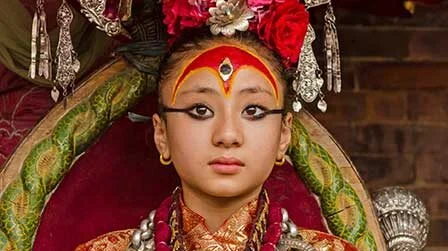
    When you travel to Nepal and visit different attraction in Kathmandu, you are likely to hear about the Kumari the Living goddess of Nepal. The living goddesses of Nepal is known as Kumari that translates to, “virgin goddesses”. Young pre-pubescent girls from Buddhist religion are searched and the one with 32 perfections of goddesses is selected to become a Kumari.

    How and Where the Kumari lives?

    The Kumari the Living goddess lives a secret life without any outside contacts. Kumari is only allowed to have contact with family and close friends. There is always the caretaker presence of Kumari but she is not permitted to speak to outsiders. Kumari lives in Kumari house, “Kumari Bahal” inside the Basantapur Durbar Square, near the palace courtyard.

    How is Kumari selected?

    Only the pre-pubescent girls from Shakya cast in Kathmandu and Bajracharya cast from Patan and Bhaktapur who follow Buddhist religion gets chosen to become Kumari. Kumari is the incarnation of goddess Taleju also known as Durga.
    It is believed that When the existing Kumari gets her first menstruation the goddesses leave the body of the child and the next one Is chosen to be Kumari. The girl must not have any bruises, cuts, and birthmarks. She should bear the 32 quality of physical perfection, as well as her horoscope, should perfectly correspond with that of kings.

    The candidates for Kumari should undergo various rituals and pass all of them in order to become Kumari. The candidate should not show fear during these tests and rituals. After a new Kumari is selected she is worshipped and different offerings are presented.

    Ancient Tale

    They say that ancient kings were great devotees of the goddess Taleju. As the goddess was happy with them, she often used to come down to the palaces to walk and play games with the kings. Once a king, while playing and gambling with the goddess, approached with sexual intentions.

    The Kumari the Living goddess got enraged with anger and disappeared. The king felt bad about his action and prayed for forgiveness. The goddess came in his dream asking him to choose a girl for her to possess and worship her as the goddess incarnation. This tradition is followed throughout generation to generation and the culture is not much altered throughout the time. The kings bowed down every year for the blessing to rule the country.

    So why is the tradition of Kumari is so important?

    The tradition of worshipping little girls as the goddess has greater significance than just a cultural. Nepal has been the patriarchal society for centuries but the worshipping of female gods shows that we haven’t completely abandoned our ancient heritage. The personification of Hindu goddesses Durga by a Buddhist girl is a great example of religious harmony that is rarely seen in the world.

    Even late king Prithvi Narayan Shah knew the importance of this culture. When he was on the mission to unite the kingdom of Nepal he won over the Kathmandu. He threw out the Malla kings but did not ban the custom of selecting and worshipping the Kumari the Living Goddess.

    He saw the two-religion following the same tradition and the indigenous community of Newar following the tradition. He used it as an opportunity to show his loyalty to God and the people of Nepal and bowed before the Kumari for her blessing to rule the kingdom. Even when the monarchy fell and president was chosen, he bowed before the Kumari for the blessing.it is a good thing that in a patriarchal society like Nepal that a female god has such a powerful impact.

    Many organizations are accusing the community of not following the child rights and proper methods education of the young girls who are selected as Kumari But, it is not true. There has always been a system of providing the required education using a private tutor and the new Kumari are also allowed to surf the web.

    Most of the Kumari have reported that the transition from being a goddess to a normal girl is a little hard at the beginning but they are able to return to their normal life. Most of the girls loved being the goddess and treated like the princess and little disappointed when the next one was selected. This shows that the life of Kumari is not cruel as most people depict it to be.

    During the festival of Indra Jatra, the chariot of the Kumari the Living goddess attracts most people than other male gods. As Nepal, being a patriarchal society for a long time, the powerful dignitaries and kings bowing to a small girl is a unique and interesting thing on its own. The Kumari is revered and worshipped by devotees from both Hindus and Nepalese Buddhist.

    The harmony between two different religion just to worship a little girl represents a huge deal of religion uniqueness of Nepal. The history is preserved and studied by a large number of people all around the world.

    The tradition of Kumari the Living goddess is not only of religious importance but it represents Nepalese culture and Nepalese people to the world. I think that this culture has preserved the belief of local community, made people aware of the respect to female and promoted the historical as well as the cultural aspect of Nepal to the whole world.


  • Looking into the Gandharvas, Nepal’s ancient storytellers

    Looking into the Gandharvas, Nepal’s ancient storytellers

    Gandharvas are the famous community in Nepal and known among the most Nepalis because of their unique culture and occupation. Most members of this community are engaged in singing and dancing traditional songs. This community has been earning their living through singing and music while traveling to a different part of the country. Centuries ago the Gandharvas were the only means of entertainment and information in mountainous part of Nepal. There was no infrastructural development in Nepal then and neither any communication technology was introduced in the remote villages of Nepal.

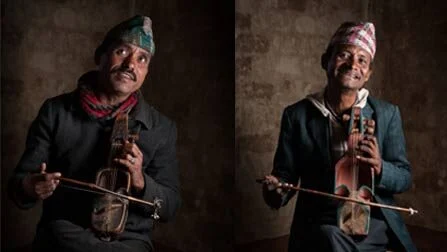
    So, the Gandharvas took their musical instrument “sarangi” with them and sang from one village to another. They would tell the stories of the war and troubles happening in other villages in the form of songs. They are very skillful in creating songs about the current situation. their songs are traditional in nature and are the same until now. The Gandharvas traveling to the remote part of Nepal were warmly welcomed in villages and food and shelter was provided. They were the messenger of news centuries ago in the mountains of Nepal. The Gandharvas were paid in exchange for the news, that they incorporated in their music.

    It is said that during the unification of Nepal, Gandharvas played a vital role as spies of PritiviNaryanShah, carrying secret messages and passing them along the villages they traveled. With such unique and rich culture, the Gandharva community is on the verge of extinction. The globalization has made the world a smaller place. The villages that were in remote places got linked with modern infrastructure. The communication technology became the main reason to make Gandharvas less significant.

    In the evolving landscape where modern technology shapes our lives, traditional occupations like those of the Gandharvas face a fading allure among the younger generations. With only about 6000 Gandharva community members remaining scattered across Nepal, the enchanting melodies of their singing and the soulful tunes of the sarangi struggle to resonate as they once did. This decline in interest challenges their livelihoods, leading to a diminishing lineage with each passing era. Occasionally, in bustling tourist hubs like Kathmandu and Pokhara, glimpses of these musical artisans can still be found, lending their captivating talents to passersby.

    The remaining have started to settle in other business and occupation. The Gandharva parents who faced huge economic burden because of this occupation are not willing to introduce their children to the difficult life of a Gandharva. Nowadays many members of Gandharva community are engaged in different agriculture, government sectors, hospitality sector, and new generations are also involved in communication sectors. The craft of making their traditional musical instrument is also disappearing. There are only a few craftsmen left, who can create the sarangi in the traditional way.
    Despite, all the trouble and difficulty this community is facing, different NGOs and individuals are working to promote and protect the Gandharva culture. JhalakMan Gandharvas the significant figure of the Gandharva community and Nepalese folk culture. He was the first person to ever record a Gandharva song and bring Gandharva music in mainstream media. He is well respected in the Nepalese music industry and his songs are still popular among Nepalese people. Like him, some of the individuals of the Gandharva community are involved in producing and creating music for mass consumption. Some of them have their own talk shows and radio programs.

    Few young Gandharvas have collaborated with another artist to make their music. They are finding ways to make sarangi compatible with other musical instrument and yet still preserve the essence of their music. Many Gandharvas with the skill to play sarangi are employed in different musical channels of Nepal. Different international and governmental organization are helping the community to preserve the Gandharva culture. Some of the family members of Jhalak man Gandharva are teaching young kids about the songs and music of Gandharva community.

    The museum showcasing the Gandharva community is also in process of completion in Pokhara.it will contain the instruments and songs of Jhalak man Gandharva and another artist that have made a contribution to the Nepalese culture and Gandharva community. The textbook explaining the details on the history of Gandharvas are being kept. The way of creating an instrument and the proper way to play them is also recorded for the future generation. YouTube has also become one of the leading platforms for showcasing the talents of young Gandharvas.

    Not only national but foreigners are interested in the Gandharva culture and their music. some of them are studying and promoting the Gandharva culture. Nowadays the main source of income for the Gandharvas are the cultural shows and the programs organized for tourists. There are different programs organized frequently showcasing the Gandharva community and giving the opportunity to tour to enjoy and learn about the Gandarvaculture. If you have any question on the Gandharvas or any other community of Nepal you can contact Red Carpet Journey. We are always pleased to introduce you to the large culture of Nepal.