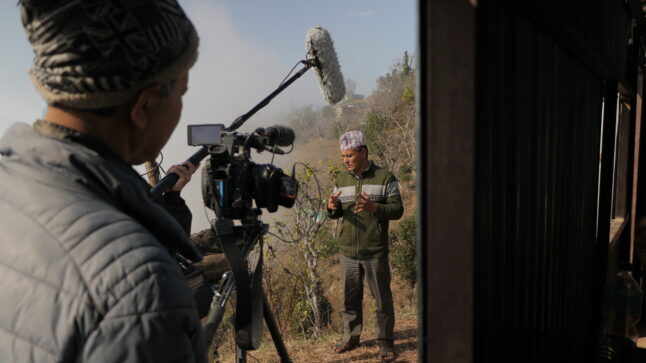
Documentary Filming in Nepal
- Jan 04 2023
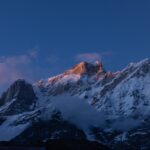
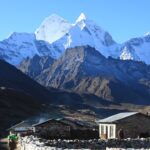
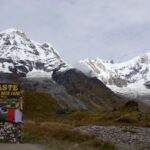
Documentary Filming in Nepal is a unique and enriching experience that offers a range of challenges and opportunities. Nestled in the Himalayan mountains, Nepal is a country of stunning natural beauty and cultural diversity. From the Himalayas’ snow-capped peaks to the lush forests and terraced fields of the lowland Terai region, Nepal is a landscape that is ripe for documentary exploration.
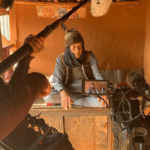
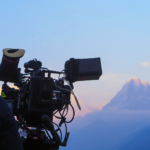
The documentary filming process in Nepal can be complex, as it involves navigating the country’s unique cultural and legal landscape. Filmmakers must obtain proper permits before filming in Nepal, and it is important to be mindful of local customs and traditions. Working with local crew and equipment can also present challenges, as the country’s infrastructure and resources may need to be improved.
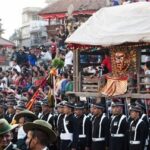
But despite these challenges, the rewards of documentary filming in Nepal are numerous. The country is home to a wide range of indigenous cultures and traditions, and capturing these in a documentary is a rare and precious opportunity. Additionally, Nepal’s natural beauty and diverse landscape offer a wealth of stunning visual material for documentary filmmakers to work with.
Overall, documentary filming in Nepal is an enriching experience that offers a unique and compelling look at one of the world’s most fascinating and beautiful countries. Whether you are a seasoned filmmaker or a newcomer to the craft, Nepal is a destination that will inspire and challenge you in equal measure.
Here is a step-by-step guide for obtaining film permits in Nepal:
- Identify the locations you wish to film in Nepal and determine if you need a permit for each site. Some areas may require a permit, while others may not.
- Contact the Film Development Board (FDB) of Nepal to request a film permit. The FDB is the government agency responsible for issuing film permits in Nepal.
- Submit the following documents to the FDB:
- A completed film permit application form
- A copy of your passport
- A copy of your visa
- A copy of your film script
- A letter of recommendation from a recognized film production company (if applicable)
- Pay the applicable fee for the film permit. The cost of a film project will vary depending on your documentary’s type and time duration.
- Wait for the FDB to review your application and issue a film permit. This process can take several weeks, so planning and allowing enough time for the permit is essential.
- Once you receive your film permit, following all the terms and conditions specified in the permit is essential. It may include obtaining additional permits for specific locations, respecting local customs and traditions, and following any other requirements set forth by the FDB.
- Remember to carry your film permit while filming in Nepal and be prepared to present it to authorities if requested.
Finding the perfect location or subject
Finding suitable locations for your film is a crucial step in production. Here are some tips for finding filming locations in Nepal:
- Determine the type of locations you need for your documentary. Are you looking for natural landscapes, urban settings, or a combination? Make a list of the specific types of locations you need to help narrow your search.
- Research potential locations online. Many websites and resources can help you find potential filming areas in Nepal. Some helpful starting places include Nepal’s Film Development Board (FDB), local film commissions, and location-scouting companies.
- Consult with a local production company or fixer. Working with a local production company or fixer can be a helpful way to find locations in Nepal. These professionals are familiar with the local landscape and can help you identify areas that meet the needs of your documentary.
- Consider the logistical requirements of your documentary. When choosing locations, keep in mind the logistical needs of your film, such as access to electricity and water, transportation, and accommodations for cast and crew.
- Please make a list of potential locations and visit them in person. Once you have identified some potential sites, see the place in person to get a better sense of the space and ensure that the site meets your needs.
- Obtain the necessary permits to film at your chosen location. Once you have identified the area you wish to film at, obtain the required permits from the Film Development Board (FDB) of Nepal or any other relevant authorities.
Making use of local resources
Working with local crew and equipment can be valuable to enhance your film production in Nepal. Here are some tips for working with local team and equipment:
- Research local crew and equipment companies. Nepal’s local crew and equipment companies can provide the resources you need for your film production. Look for companies with a good reputation and experience working on projects similar to yours.
- Consider the specific needs of your film. Make a list of the crew and equipment you need for your film, including camera operators, lighting technicians, and any specialized equipment such as drones or cranes.
- Contact local crew and equipment companies and request quotes. Reach out to local crew and equipment companies to request quotes for your needed resources. Ensure to provide as much detail as possible about your film and the specific crew and equipment required.
- Negotiate terms and finalize contracts. Once you have received quotes from local crew and equipment companies, negotiate terms and complete contracts to ensure that you have the resources you need for your film production.
- Communicate effectively with your local crew and equipment. Establishing clear lines of communication with your local crew and equipment is essential to ensure that everything runs smoothly on set. Ensure that everyone is aware of their roles and responsibility as crew members.
- Be respectful of local customs and traditions. Nepal is culturally and naturally diverse. And it is important to respect local customs and traditions when working with local crew and equipment. Be mindful of cultural differences and be open to learning from your local colleagues.
Challenges:
- Obtaining film permits: The process of obtaining film permits in Nepal can be complex and time-consuming. Filmmakers must submit a completed application form, copies of their passport and visa, a copy of their film script, and a letter of recommendation from a recognized film production company (if applicable).
- Limited infrastructure and resources: Nepal is a developing country with limited infrastructure and resources, making it challenging to find and access specific locations, equipment, and crew.
- Cultural differences: Nepal is a culturally diverse country, and there may be differences in customs and traditions that filmmakers must be aware of and respect.
Opportunities:
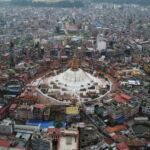
- Unique landscapes and cultures: Nepal is home to many incredible landscapes and cultures, from the high Himalayas’ snow-capped peaks to the lush forests and terraced fields of the lowland Terai region. Documentary filmmakers have the opportunity to capture these stunning landscapes and rich cultural traditions on film.
- Access to compelling stories: Nepal has a rich history and cultural heritage, and many compelling stories are waiting to be told. Documentary filmmakers can explore and share these stories with the world.
- Collaboration with local crew and equipment: Working with local crew members and equipment can be rewarding to collaborate and learn from local professionals. It can also help to support the local film industry and give back to the community.
Conclusion
In conclusion, documentary filming in Nepal is a unique and enriching experience that offers a range of challenges and opportunities. Filmmakers must navigate the process of obtaining film permits, work with limited infrastructure and resources, and be mindful of cultural differences. However, Nepal is a country with stunning landscapes and rich cultural traditions, and documentary filmmakers have the opportunity to capture these on film and share them with the world. Working with local crew and equipment can also be a rewarding way to collaborate and learn from local professionals while supporting the local film industry and giving back to the community.