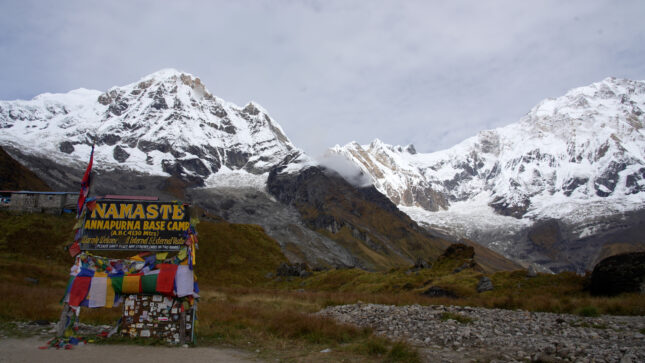
Filming in the Annapurna region
- Oct 12 2022
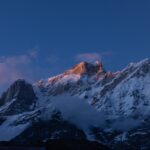
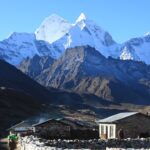
Filming in the Annapurna region is an attractive destination for film shooting in Nepal. Annapurna region, formally known as the Annapurna Conservation Area Project (ACAP) or informally as the Annapurna Sanctuary, is one of the most beautiful natural regions in Nepal, with an altitude range between 1800 meters to 5500 meters above sea level. This area is home to some of Nepal’s best filmmaking locations, with dozens of mountain peaks, trekking trails, rivers, lakes, gorges, etc. ACAP area is a filmmakers’ paradise. This article will discuss the filmmaking requirements in the Annapurna region and what filmmakers must pay attention to before arriving. Due to its unique natural and cultural features, many film production companies nowadays use film shooting. Some Nepali films like Pream geet-1, Pream geet-3, kabbadi kabbadi are shot in the Annapurna region.
About Annapurna Conservation Area (ACAP)
Founded in 1986 AD, the Annapurna Conservation Area Project (ACAP) is NTNC’s most significant undertaking. It is also the first protected area and the largest protected area in Nepal. It covers an area of 7,629 km2. and is home to more than 100,000 inhabitants of various cultural and ethnic groups. ACAP area is rich in biodiversity. It is a treasure house hosting 1,226 species of flowering plants, 105 mammals, 518 birds, 40 reptiles, and 23 amphibians.
Several features make the Annapurna region a unique place in the world. It has the deepest river gorge in the world – Kali Gandaki Gorge, which is 3 miles long and 1.5 miles wide; it is a valley with fossils from the Tethys Sea dating back 60 million years. The region is also home to one of the most extensive rhododendron forests in the world at Ghorepani. Located in Manang, north of the Annapurna massif, Lake Tilicho is the highest freshwater lake in the world.
The biodiversity of the Annapurna area is only rivaled by its cultural diversity. Gurung and Magar communities are the dominant ethnic groups in the south, while Thakali, Manage, and Loba are prevalent in the north. These groups speak their dialect and have unique cultures and traditions. Besides there are also Brahmins, Chhetris, and other professional castes. Hindu, Buddhist, and other Tibetan-Buddhist religions are prevalent throughout the region. Locals here mostly live within the area’s five districts and 15 rural municipalities.
The natural and cultural factors of the Annapurna Conservation Area have made it the most popular tourist destination in the country, attracting countless domestic and foreign tourists every year. Over the years, tourism has firmly established itself as one of the most critical sectors of the local economy, with more than 1,000 lodges, teahouses, and other ancillary services to cater to thousands of tourists, pilgrims, and their support staff.
Filming in the Annapurna area
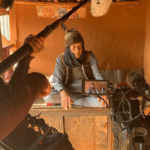
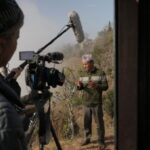
Filming in the Annapurna region is open for filmmakers. For casual filmmakers, filming is free of cost, except for aerial filmmaking, which we will discuss below.
For professional film crews and larger setups, it is mandatory to acquire a set of permits for filming (except for domestic productions), which are listed below:
- Nepal filming permit (from Film Development Board, @US$ 150)
- ACAP filming permit (from the National Trust for Nature Conservation – NTNC, @ US$ 1500)
- Aerial filming permit for drones and UAVs (from NTNC, @ US$ 375)
- Restricted Area Permit for filming in Upper Mustang (from the Department of Immigration, @ US$ 5000)
Getting Film Permit in Annapurna region
For professional filmmakers and larger crews interested in Filming in the Annapurna region , the preparation process can be summarized below:
Before arrival:
- Get your dates, travel itinerary, and tentative crew size.
- Find a local management agency/ground handling agency in Nepal as your guarantor, which you will need while applying for a Nepal filming permit and other permits (which will be issued based on the former)
- Then ask your ground handling agency to fill up the forms needed for the paperwork, and wait for around 10-15 days before everything is ready. UAV permits can take slightly longer as it involves other agencies, including the Civil Aviation and National Security departments
- Be sure to pre-book your travel and logistical arrangements for the Annapurna region, as it is tough to coordinate while on the trail.
- Film crews can also ask their ground handling agencies to act as their producers while on the ground. They will assign fixers and other necessary personnel to make all your arrangements, including travel and logistics, and even hiring local talent or equipment for filmmaking.
We hope this article helps you. If you have further inquiries, drop us a line anytime. We at Cine Makers also offer a full suite of production and ground-handling services for foreign and domestic teams. We are here to help you with your film project anywhere in Nepal, just a call away.