Film Tourism in Nepal- Exploring Magical Land of Mountains
- Jun 09 2023
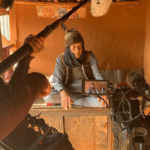
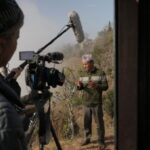
A small country that has a lot of possibilities for Film Tourism in Nepal. In the last century, cinema has captivated audiences worldwide, inspiring and entertaining them like no other form of art can. One of the aspects that makes cinema a standout art form is the breathtaking landscapes portrayed on the silver screen are real places on the planet. This has led to more forms of tourism, called Film Tourism, where people visit a location they saw in their feature film. One such enchanting destination that has gained popularity over the years in Nepal.
Film tourism is also known as film-induced tourism. Simply describing this concept is the phenomenon of tourists traveling to a destination because they saw it on their favorite television, video, or cinema screen. This form of tourism gives a unique opportunity to film enthusiasts around the world to immerse themselves in the world of their favorite films and experience the magic of the place firsthand.

One of the most prominent examples of film tourism in nepal is the impact of the epic film ‘The Lord of the Rings’ on New Zealand tourism. The trilogy was shot in New Zealand, which showcased the stunning landscapes and sceneries. It is estimated that after the film was shown on the big screen, the countries started receiving an average of 47,000 tourists annually to the filming sites. Six percent of the people who visited stated that the sole reason for visiting New Zealand was because of their favorite film, ‘The Lord of the Rings.’ This is a testament to the film’s impact on the country’s tourism.
Movies have a significant impact on tourism by giving an additional reason for visitors to visit a specific region. Someone who had no intention of visiting New Zealand may reconsider after viewing the breathtaking scenery depicted in “The Lord of the Rings.” Similarly, filming “Mamma Mia 2” on Vis Island in Croatia has brought many tourists who want to see the scenery themselves.
Films cannot attract tourists but also create opportunities for local businesses to thrive. For, e.g., it has given local businesses the to set up gift shops that sell movie-related merchandise, and we know there will be numerous photo booths at the selected location. Moreover, there are opportunities to conduct specialized guided tours of these filming spots, providing visitors with an in-depth and immersive experience.
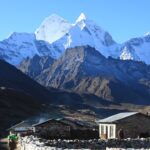
Let us now focus on the enthralling realm of film tourism in Nepal. Nepal is a region of extraordinary beauty, nestled between the towering Himalayas and the lush jungles of the Indian plains, where snow-capped peaks and mythological myths blend flawlessly.
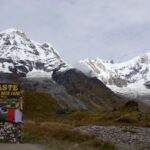
Nepal has retained an alluring fascination for travelers seeking adventure and peace since it opened its doors to foreigners in the 1950s. The Himalayas, home to some of the world’s most iconic and accessible hiking paths, draw trekkers worldwide. Whether going to Everest Base Camp or visiting the Annapurna Circuit, Nepal provides unrivaled possibilities to see breathtaking Himalayan beauty. Trekkers can find peace in snug lodges at the end of a long day and eat a hot dinner or a slice of apple pie, making the trip truly unforgettable.
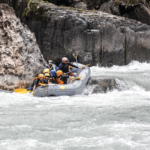
Nepal has many thrilling activities for anyone looking for an adrenaline rush. Rafting down raging rivers, bungee jumping into bottomless Himalayan gorges, canyoning through rugged terrain, climbing towering peaks, kayaking in pure lakes, paragliding over stunning scenery, and mountain biking through challenging trails—the possibilities are endless. The stunning landscapes of Nepal provide the ideal setting for exhilarating excursions that cater to any adventurer’s ambition. Due to its unique natural beauty, it attracts many filmmakers to shoot their film in Nepal, which will help to boost film tourism in Nepal.
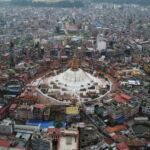
However, my fascination with Nepal continues after the world’s mountains and adventure. The country’s ancient cultural heritage and spiritual significance attract tourists for a different experience on Nepal tour. Exploring the temple-lined alleyways of Kathmandu, Patan, and Bhaktapur, walking through medieval squares, and joining Buddhist pilgrims on spiritual walks around historic stupas and temples are peaceful and self-discovery adventures. The ancient city of Kathmandu Valley, decorated with centuries-old monuments, offers a pathway to understanding Nepal’s rich history and religious traditions. The sacred site of Lumbini, the birthplace of Lord Buddha, holds immense significance for Buddhists worldwide and attracts pilgrims seeking enlightenment and inner peace.

Imagine being able to enter the world of movies and witness the enchantment of Nepal firsthand. Nepal has provided a mesmerizing setting for countless films, exhibiting its natural beauty and cultural legacy to audiences worldwide. Look at some noteworthy films that helped Nepal become a global film tourist destination.
“Himalaya” (1999): Directed by Eric Valli, this French-Nepalese film portrays the story of a community in Nepal’s Dolpo region and its yearly yak caravan. The stunning Himalayan landscapes and the genuine depiction of local culture won the film an Academy Award nomination for Best Foreign Language Film. Following the film’s release, the Dolpo region saw an increase in tourist interest as people went to see the breathtaking scenery and immerse themselves in the customs described in the film.
“Little Buddha” (1993): This film, directed by Bernardo Bertolucci, takes audiences on a spiritual journey through the life of Siddhartha Gautama, the historical Buddha. Part of the film was shot in Kathmandu and Lumbini, highlighting the country’s rich religious legacy. Following the film’s premiere, Lumbini became a Buddhist pilgrimage site and a must-see destination for people seeking a greater understanding of Buddhism.
“Everest” (2015): Based on the true-life tragedy of Mount Everest’s 1996 disaster, this film shows the terrifying experiences of climbers stranded in a violent blizzard. While most of the film was shot in the Italian Alps, Nepal plays an essential role in the plot as the entrance to Mount Everest. Following the publication of the film, there was a surge in interest in trekking to Everest Base Camp, with adventurers eager to experience the appeal and challenges of the world’s highest peak.
“Doctor Strange” (2016): Several visually gorgeous scenes located in Nepal appear in this Marvel superhero picture. The magical backdrop for Doctor Strange’s instruction in the mystical arts is the ancient city of Kathmandu and its prominent landmarks, such as the Boudhanath Stupa and the Swayambhunath Temple. With the film’s premiere, audiences were introduced to the magical allure of Nepal’s spiritual capital, prompting many to explore the country’s spiritual side.
These are just some of the films that have showcased Nepal’s natural beauty and cultural richness to the world. Film tourism in Nepal offers an incredible opportunity to film enthusiasts to step into their favorite films. Whether it’s trekking through the stunning Himalayas, exploring ancient temples and cities, or immersing oneself in the vibrant culture of Nepal, Nepal is the destination.
Both tourists and local populations stand to benefit from film tourism in Nepal. Nepal can highlight its natural and cultural richness while supporting sustainable tourism by luring people through cinema’s fascination. Nepal must manage film tourism responsibly and in a way that protects the country’s natural and cultural heritage.
Furthermore, a partnership between the film and tourist industries might result in reciprocal benefits by promoting Film Tourism in Nepal. Encourage filmmakers to choose Nepal as a shooting location to increase the country’s visibility and attract more tourists. Increased tourism can produce cash and fund infrastructure development, conservation, and community initiatives.
Using digital platforms and marketing methods to promote film tourism in Nepal effectively is critical. Social media marketing, targeted advertisements, and partnerships with travel influencers can raise awareness and attract a larger audience. Participating in international film festivals and hosting film-related events can emphasize Nepal’s cinematic connections and pique the interest of moviegoers.

Lastly, the collaboration between the film and tourism industries has enormous potential for film tourism in Nepal. By encouraging filmmakers to shoot in Nepal, the country can profit from increased awareness and attract more tourists. This creates cash that can be used for essential things like infrastructure development, conservation activities, and community initiatives.
Nepal must embrace digital platforms and new marketing tactics to exploit film tours in Nepal’s power effectively. Social media marketing, targeted advertisements, and collaborations with travel influencers can raise awareness and attract a larger audience. Furthermore, active involvement in international film festivals and hosting film-related activities can help cement Nepal’s reputation as a cinematic destination, capturing the imaginations of moviegoers worldwide.
Nepal can welcome a new wave of travelers seeking immersive encounters and cinematic adventures by exploiting the influence of film and embracing the opportunities it brings. Film tourism in Nepal allows visitors to immerse themselves in their favorite movies, helps the country’s economic growth, and preserves its natural and cultural riches.
With its unsurpassed beauty and rich cinematic ties, Nepal awaits your arrival. Come experience the reel-to-real magic in this charming region, where cinema and tourism collide to produce unique encounters. Allow Nepal to take center stage in your once-in-a-lifetime cinematic adventure.